When you’re building a business around luxury hampers, the product itself is only half the story. The other half is how smoothly the hamper arrives at the recipient’s doorstep. “How to manage customer expectations for hamper delivery” is the secret sauce that turns a one‑time buyer into a repeat customer. Let’s unpack this recipe step by step, sprinkling in a dash of humor and a pinch of real‑world wisdom.
Understanding What Customers Really Want
Customers who order hampers are often looking for a surprise, a celebration, or a heartfelt thank‑you. They want the experience to feel effortless, as if the hamper arrived on a silver platter. The first question you should ask is: What does “on time” mean to them?
- Peak occasions (weddings, birthdays, corporate gifts) create a sense of urgency. Holiday seasons add pressure because delivery windows are tighter. Custom orders often come with specific dates or themes.
Anecdote: I once had a client who wanted a hamper for a surprise proposal scheduled for 7 p.m. on a Thursday. The courier’s schedule was full until Friday afternoon, yet the client insisted. We promised a “gold‑standard” delivery, but it arrived at 9 p.m. on Friday. The client was disappointed, but we followed up with a handwritten apology and a free upgrade to a future order. The next time, the client became a loyal patron. Lesson learned: realistic timelines win hearts.
Setting Clear Delivery Promises
Once you know what customers expect, you can set realistic promises. Avoid the Express delivery “we’ll get it to you by the end of the week” blanket statement. Instead, use specific, verifiable dates.
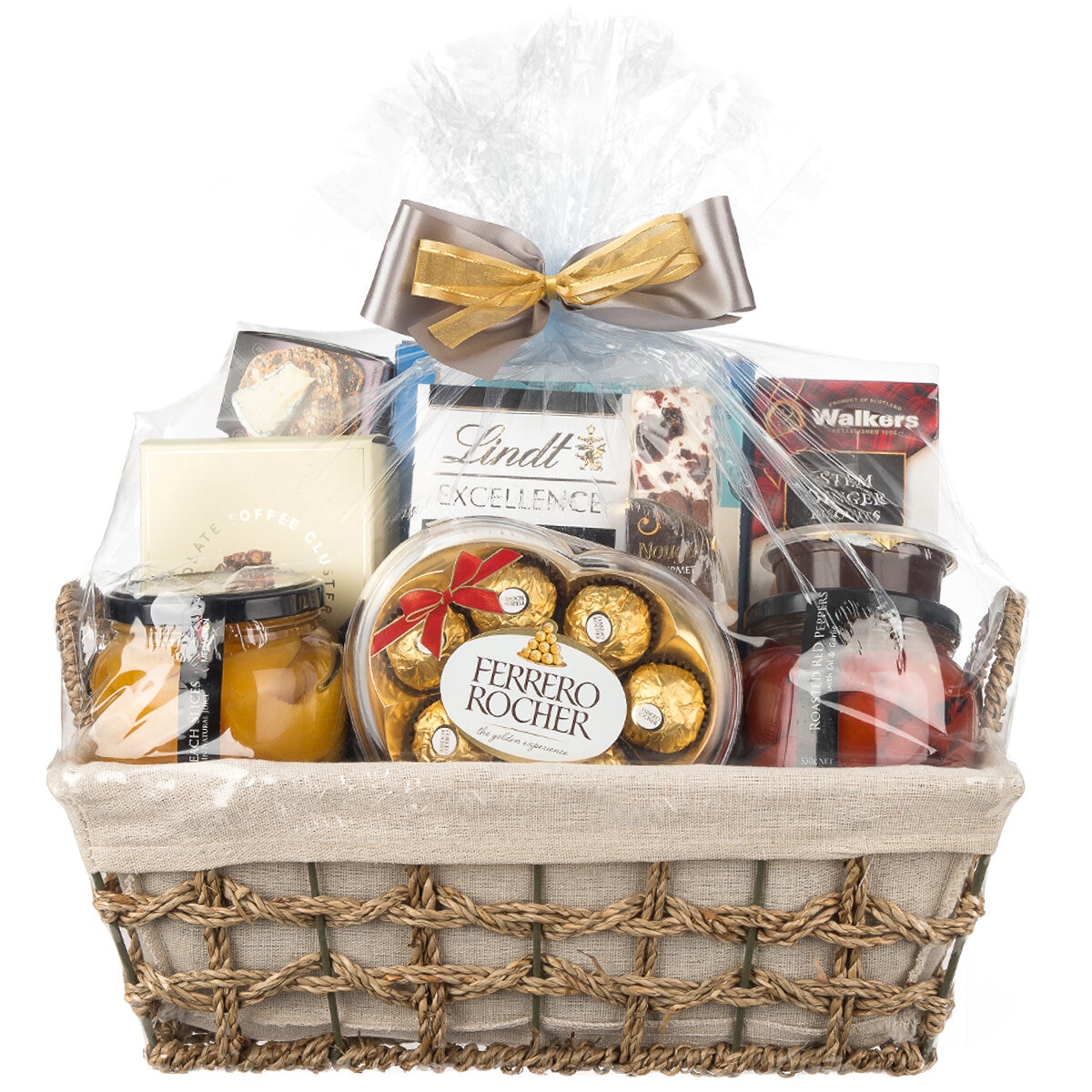
Crafting the Promise
Check Inventory – Make sure the hamper is ready before committing. Confirm Delivery Window – Use the courier’s calendar, not your guesswork. Communicate in Plain Language – “Your hamper will arrive between 10 a.m. and 4 p.m. on Monday, 12 March.”Quote: “The best way to predict the future is to create it.” – Peter Drucker. In this context, create a delivery window that you can reliably meet.
Click for moreUsing the Right Language
- “ Estimated delivery” signals flexibility. “ Guaranteed delivery” demands absolute certainty. “ Expected delivery” is somewhere in between.
Rhetorical question: Do you want your customers to feel like they’re in a high‑stakes game or part of a well‑planned event? The language you choose sets that tone.
Communication Strategies That Keep the Ball Rolling
Clear, proactive communication is the backbone of expectation management. Think of it as a conversation, not a monologue.
Pre‑Order Confirmation
- Send an email that reiterates the order details, delivery date, and contact information. Include a “What to Expect” section: packaging, delivery method, and what to do if the recipient is not home.
Delivery Updates
- SMS or push notifications: “Your hamper is on its way and should arrive by 3 p.m.” Real‑time tracking: Provide a link to the courier’s tracking system.
Post‑Delivery Check‑In
- A quick thank‑you message: “Did everything arrive as expected?” Offer a small incentive for feedback: “Tell us about your experience and receive 10 % off your next order.”
Bullet points for clarity:

- Keep messages short and to the point. Use friendly but professional tone. Avoid jargon that might confuse non‑technical customers.
Handling Delays with Grace
Even the best plans can hit snags. How you respond to delays determines whether a customer stays loyal or leaves a negative review.
The Three Ps of Delay Management
Predict – Identify potential bottlenecks early (e.g., supply chain hiccups). Prevent – Have backup suppliers or alternative delivery routes. Plead – Communicate promptly and sincerely if a delay occurs.Anecdote: During a snowstorm, our main courier route was closed. We rerouted through a secondary path, but the delivery was 12 hours late. We sent a heartfelt apology, a discount voucher, and a free upgrade on the next hamper. The customer appreciated the transparency and became a repeat buyer.
Quote: “A smooth sea never made a skilled sailor.” – Franklin D. Roosevelt. Embrace the rough patches and use them to showcase your customer service prowess.
Leveraging Technology to Keep Expectations in Check
In the digital age, tools can automate much of the expectation‑management process.
- Order Management Systems (OMS): Sync inventory, shipping, and customer data in real time. CRM Integration: Personalize communication based on customer history. Delivery Analytics: Track on‑time delivery rates and identify improvement areas.
Rhetorical question: Wouldn’t you rather spend less time chasing delivery updates and more time curating the perfect hamper? Automation is the answer.
The Perfect Gift Awaits
When you master how to manage customer expectations for hamper delivery, you’re not just delivering a box of goodies—you’re delivering peace of mind. Each step, from setting realistic timelines to communicating proactively, builds trust. Trust turns a one‑time buyer into a lifelong advocate who will recommend your hampers to friends, family, and colleagues.
Remember, the key is transparency. A clear delivery promise, timely updates, and a graceful handling of hiccups create a seamless experience. And when customers feel informed and valued, they’ll return to you for their next special occasion—perhaps even asking, “What’s the secret to making my hamper arrive on time?”—and you’ll be ready to share your well‑honed process.